Dollar Surge and Crypto Decline: Iran Crisis Reshapes Risk Asset Markets

Alexander Mercer
Editor-in-Chief
Geopolitical tensions trigger dollar strength and cryptocurrency selloff. Bitcoin and altcoins face pressure as investors flee risk assets amid Middle East escalation.
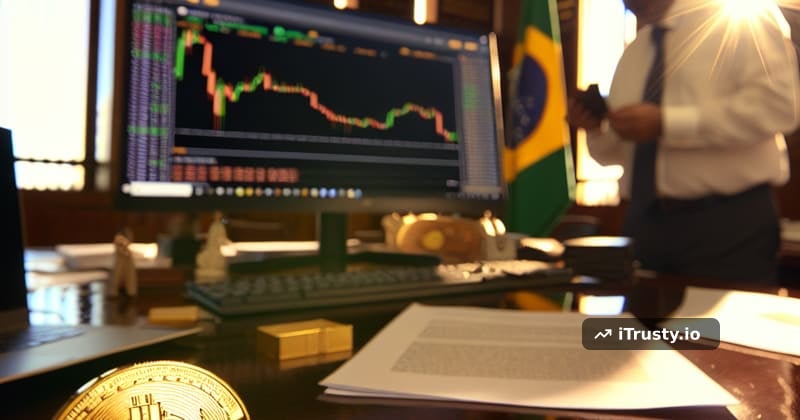
The cryptocurrency market experienced significant headwinds this week as the United States dollar surged to its strongest level in nearly two months, driven by escalating military tensions in Iran and renewed safe-haven demand among global investors. Bitcoin and major altcoins declined sharply as traders rotated capital away from higher-risk digital assets toward traditional safe-haven instruments including the dollar, treasuries, and gold. The correlation between cryptocurrency volatility and geopolitical risk events has become increasingly pronounced, highlighting how digital assets remain tightly coupled to broader macroeconomic and geopolitical developments. Market analysts point to the dollar index reaching near two-month highs as a clear signal of risk-off sentiment sweeping through financial markets globally. Understanding this dynamic is crucial for cryptocurrency investors seeking to navigate increasingly complex market environments where geopolitical factors play outsized roles in asset price movements.
Geopolitical Turbulence and Safe-Haven Currency Dynamics
Historical patterns demonstrate that major geopolitical escalations consistently trigger flights to safety, with the US dollar emerging as the ultimate risk-off asset in moments of global uncertainty. Previous conflicts and tensions in the Middle East have produced similar outcomes, where the dollar strengthened substantially while risk assets including stocks, cryptocurrencies, and emerging market currencies experienced pronounced selloffs. The current escalation in Iran represents another chapter in this recurring narrative, where military brinkmanship translates directly into currency market reallocations and portfolio rebalancing. The dollar's status as the world's reserve currency means that any uptick in global uncertainty automatically benefits USD-denominated assets and pressures alternative investments seeking higher yields or growth. The cryptocurrency market, despite its maturation and institutional adoption over the past several years, remains classified as a risk asset in most institutional portfolios, making it vulnerable to the same flight-to-safety dynamics that affect stocks and emerging market bonds. This structural positioning suggests that crypto markets will continue facing headwinds whenever geopolitical tensions spike, creating a predictable pattern investors must account for in their risk management frameworks.
Technical Market Structure and Cryptocurrency Liquidity Response
The mechanics of how dollar strength pressures cryptocurrency prices operate through multiple channels, beginning with the fundamental relationship between currency valuations and cross-asset positioning. When the dollar appreciates significantly, it increases the effective cost of acquiring cryptocurrencies for international investors using non-USD currencies, potentially dampening demand at precisely the moment when risk-averse investors are already reducing exposure to volatile assets. Bitcoin and Ethereum, despite their substantial market capitalization and improving liquidity infrastructure, remain sensitive to broader risk sentiment shifts because many institutional investors maintain cryptocurrency allocations as tactical components of diversified portfolios rather than core strategic holdings. Technical analysis suggests that dollar strength often accompanies rising volatility indices and declining equity prices, creating unfavorable conditions for cryptocurrency price appreciation since these assets typically underperform during risk-off episodes. The liquidation cascades that sometimes accompany sharp market declines can accelerate cryptocurrency price declines beyond fundamental justification, as leveraged traders face forced selling and margin calls. Understanding these technical dynamics helps investors distinguish between temporary volatility driven by geopolitical headlines and longer-term structural trends affecting cryptocurrency valuations.
Market Impact and Institutional Positioning Shifts
Trading volumes across major cryptocurrency exchanges reflected elevated activity as institutional and retail investors adjusted their exposure amid the intensifying risk-off environment. Bitcoin experienced particular pressure from spot and derivatives market selling, with liquidation data showing substantial short positions opening alongside existing long position exits. The correlation between cryptocurrency prices and the dollar index moved into deeply positive territory, meaning cryptocurrencies declined simultaneously with dollar strength, a reversal of the inverse relationship many investors typically expect. Altcoin markets suffered even more severe declines than Bitcoin, with smaller-capitalization tokens experiencing double-digit percentage losses as investors prioritized safer, more liquid assets. Stablecoin transaction volumes surged as traders moved into dollar-denominated holdings, seeking to preserve capital rather than maintain exposure to volatile crypto assets. The pattern reflects how quickly cryptocurrency markets respond to macroeconomic signals, with institutional investors demonstrating willingness to rapidly reposition when geopolitical risks spike.
Looking Forward: Catalysts and Market Recovery Scenarios
The trajectory of cryptocurrency markets in coming weeks will depend critically on escalation patterns in Iran developments and corresponding movements in the dollar index and broader risk sentiment indicators. If geopolitical tensions ease and dollar strength moderates, cryptocurrency markets could experience rapid recovery as institutional investors redeploy capital back into risk assets they temporarily abandoned. Conversely, further military escalation could extend the current downturn and potentially trigger additional deleveraging across cryptocurrency derivatives markets. Investors should monitor central bank policy statements and treasury yield movements, as these factors influence dollar strength independently of geopolitical factors and may provide trading signals ahead of cryptocurrency price action. The current environment demonstrates that cryptocurrency market participants cannot ignore macro factors and geopolitical developments, requiring constant vigilance regarding risk-on and risk-off sentiment shifts. For long-term holders, temporary price declines driven by external geopolitical factors present opportunities to accumulate quality assets at reduced prices, though short-term traders must carefully manage positioning until clarity emerges regarding Iran situation outcomes.
Comece a negociar cripto hoje
Abra uma conta em uma exchange confiável e negocie mais de 600 criptomoedas.
Alexander Mercer
Editor-in-Chief
Former quantitative researcher with over 9 years in crypto markets. Leads editorial strategy and publishes in-depth market analysis and macro crypto commentary for iTrusty.
Ver perfil do autor